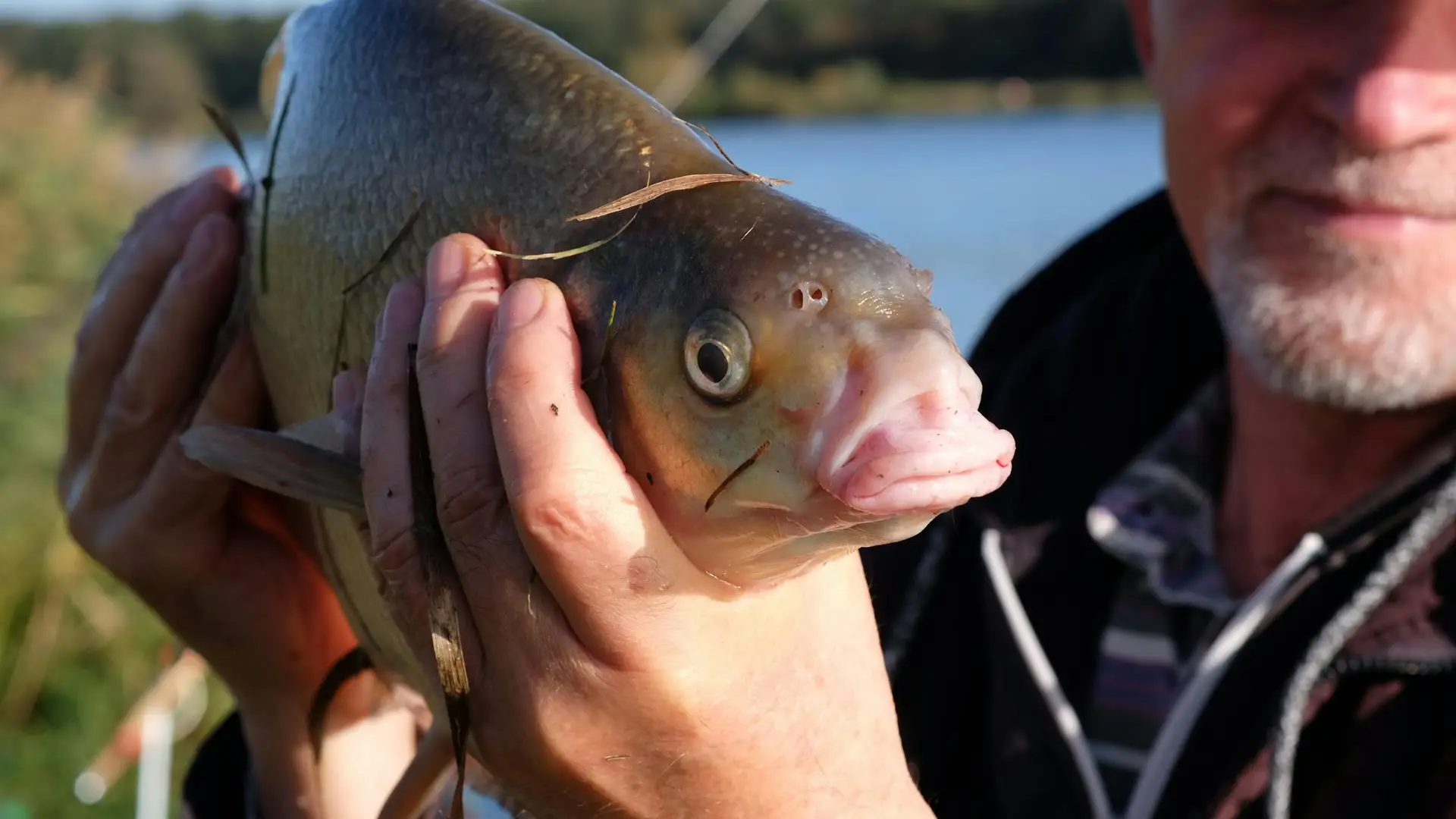
How Carp Got Into Utah Lake
Common carp (Cyprinus carpio) are not native to North America. They were introduced to Utah Lake in the late 1800s by the U.S. Government as a food fish. At the time, the federal government was actively stocking carp across the country, believing they would be a cheap, abundant protein source for a growing nation.
The plan backfired spectacularly. Americans never embraced carp as a food fish, and without natural predators, the carp population in Utah Lake exploded. The lake's warm, shallow, nutrient-rich water proved to be a near-perfect habitat for carp reproduction. Within a few decades, carp had become the dominant species in the lake.
By the early 2000s, surveys by the Utah Division of Wildlife Resources revealed that carp made up 91% of the total fish biomass in Utah Lake. The lake had essentially been taken over by a single invasive species.
Impact on Native Species
The most critically impacted species is the June Sucker (Chasmistes liorus), a fish found nowhere else on Earth except Utah Lake and its tributaries. The June Sucker was listed as an endangered species in 1986, and carp are one of the primary threats to its survival.
Carp directly compete with June Suckers for food and habitat. Adult carp uproot and destroy aquatic vegetation that juvenile June Suckers need for cover. Carp also stir up sediment while feeding, increasing water turbidity and smothering the clean gravel beds that June Suckers need for spawning in tributaries.
Decades of carp dominance have also impacted other native species, including the Utah chub and various native minnow species, as well as the overall productivity of the lake for game fish like walleye and white bass that have been stocked by Utah's fish stocking program.
Water Quality Impact
Nutrient Cycling
Carp feed by rooting through lake-bottom sediment, releasing phosphorus and nitrogen back into the water column. This constant disturbance acts like continuously fertilizing the lake, fueling algae growth and reducing water clarity.
Algae Blooms
The excess nutrients released by carp feeding contribute to harmful algal blooms (HABs) that periodically close portions of Utah Lake to recreation. These blooms produce toxins dangerous to humans, pets, and wildlife.
Vegetation Loss
Carp physically uproot aquatic plants while feeding and increase turbidity so severely that sunlight cannot reach the lake bottom. Submerged vegetation, critical habitat for fish and invertebrates, was nearly eliminated from Utah Lake.
Sediment Disturbance
A single large carp can disturb several square meters of lake bottom per day. Multiply that by millions of carp, and the entire lakebed becomes a constantly churned soup of mud and silt, destroying benthic habitat.
Removal Efforts
Starting in 2010, the Utah Division of Wildlife Resources, in partnership with the June Sucker Recovery Implementation Program, launched an aggressive commercial carp removal operation on Utah Lake. Using large-scale seine nets and commercial fishing operations, they began systematically removing carp by the millions of pounds.
The results have been dramatic:
While commercial netting does the heavy lifting, recreational removal through tournaments and individual bowfishing and angling contributes meaningfully to the effort. The 2025 Great Carp Hunt alone removed 4,686 carp.
How Anglers Can Help
Check Out the Tournaments
The Great Carp Hunt pays $3 per fish and awards two grand prizes (shore and boat). A fun way to help the lake and earn some cash.
Tournament InfoGo Bowfishing
Night bowfishing is one of the most effective methods for removing large numbers of carp quickly.
Bowfishing GuideFish and Keep
Every carp you catch and remove -- even by rod and reel -- contributes to reducing the population. There's no bag limit.
Fishing GuideThe Work Continues
Despite the enormous progress, the battle against invasive carp at Utah Lake is far from over. Carp are incredibly resilient and reproductive -- a single female can produce hundreds of thousands of eggs per year. Continued removal pressure is essential to prevent the population from rebounding.
Scientists and resource managers continue to study carp population dynamics, refine removal strategies, and monitor the lake's ecological recovery. The goal is not complete eradication (likely impossible), but reducing carp to a level where native species and water quality can recover to a healthy state.
Utah Lake is one of the largest invasive carp removal success stories in the United States. The combination of commercial fishing, government commitment, and community participation through tournaments and recreational fishing has created a model that other states are studying. Every angler who visits Utah Lake and removes carp is part of this story.
Be Part of the Solution
Whether you fish, bowfish, or enter a tournament, every carp removed from Utah Lake helps restore a native ecosystem. Get out on the water.